
Japan Travel Tips & Tricks
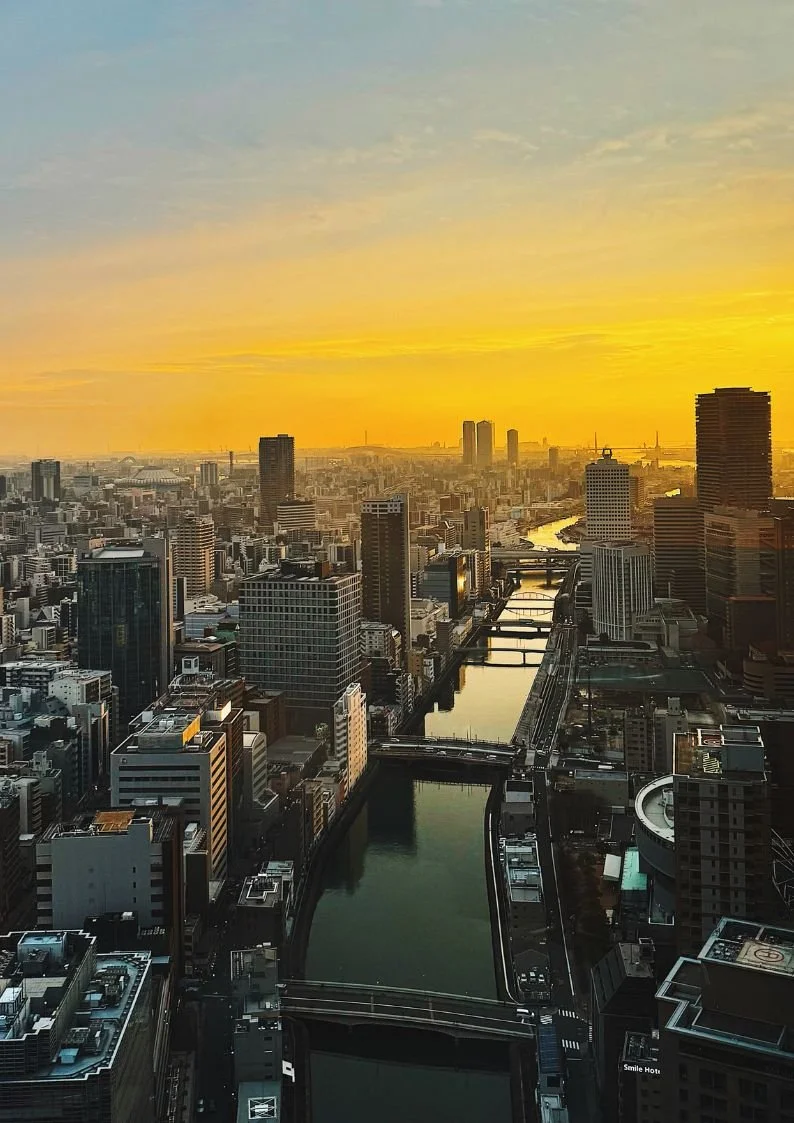
One of the greatest joys of my job is waking up in the morning to see texts and DMs from club members traveling in Japan enjoying our favorite places. I am asked weekly (daily) for tips and tricks about traveling to Japan and love to share but just like our tasting notes on the menu, feel as though our collective ideas are more impactful than my singular opinion.
So last night from 6:30pm to 8:30pm, guests joined me on the patio for hopefully the first of many Japanese travel meet ups for those who are planning a trip, if you just came home from Tokyo or if you know the best little spot in rural Hokkaido.
I am hoping by gathering together that we can create community sourced recommendations for club members who are headed abroad.
Below are some of the tips we gathered last night in addition to some fun facts about Japanese convenience stores that may help you during your trip (beyond providing great snacks). It’s a rather long list that I hope to categorize over time.
I will be actively editing this list as we learn more! Bookmark this page!
Love,
Alyssa
Last updated: June 11, 2026
An Introduction to Tips + Tricks
The Koji Club hopes that you have really special hospitality experiences when you travel to Japan, especially with our recommendations. While our current recommendations and maps have been a singular voice (Alyssa!), like our tasting notes on our menu, we prefer to crowd source (you!)
Top Travel Tips
Tip #1 - Say thank you!
Learn how to say thank you! “Arigatou Gozaimasu”
Tip #2 - A Hospitality First Culture
Learn about Omotenashi - Japanese Hospitality
Omotenashi (おもてなし) is the Japanese art of selfless, wholehearted hospitality. Rooted in the traditional tea ceremony, it goes far beyond standard customer service by anticipating a guest’s needs in advance and providing care without expecting anything in return.
Tip #3 - Omiyage + Gift Giving
Omiyage is a Japanese word that literally means "souvenir", but in practice it refers to a specific cultural custom: bringing gifts back for family, friends, coworkers, or classmates after a trip.
You will see nicely wrapped boxes of treats in train stations. These are great omiyage to bring home.
A nice touch is packing a little omiyage for unexpected connections you make in Japan:
A modest gift from your hometown, company, or region can make a very positive impression.
Good examples: Locally made chocolates or candies, A specialty food associated with New England (something shelf-stable), A small item representing your hometown, Branded items from your company (if tasteful)
Avoid: Very expensive gifts (can create discomfort or reciprocity obligations), Anything requiring refrigeration, Gifts in sets of four (4 is associated with death in Japan)
Tip #4 - Build an itinerary with time zones
Build out your itinerary to include the time change so you can manually enter when you need to check in at home. Here is a template of how I planned our last trip to Japan: https://docs.google.com/spreadsheets/d/1H0Ll-laQoUWm714DlD-c6Cf-tAzBjdlWxv6N2EtvpCY/edit?usp=sharing
Tip #5 - Take the Train!
Take the trains! Especially getting to and from the airport.
Narita to Tokyo by cab is $300
Narita Express is $25
Haneda is on the monorail which is SO fun to take into Tokyo… a guaranteed way to feel a little Bladerunner vibe ASAP. Adding your Suica or Pasmo card to Apply Pay is so easy!
For most travelers, Japan's transit cards are functionally the same. The biggest difference is where they originated, not what they do.
The Three Most Common Cards
Suica — Originally from the Tokyo region and operated by JR East.
PASMO — Originally from Tokyo's private railways and subways.
ICOCA — Originally from the Osaka/Kyoto region and operated by JR West.
The Practical Difference for Tourists
Almost none.
All three can be used on:
Trains and subways throughout most of Japan
Many buses
Convenience stores (konbini)
Vending machines
Coin lockers
Some restaurants and shops
If you are landing in Tokyo, get Suica or PASMO.If you are landing in Osaka/Kyoto, get ICOCA.
You'll barely notice any difference during your trip.
The Best Option: Add a Digital Suica to Apple Wallet
If you have an iPhone 8 or newer:
Open Wallet
Tap the + button
Select Transit Card
Choose Suica, PASMO, or ICOCA
Add money using Apple Pay
You're done
No physical card required.
Why Travelers Love Digital Suica
No waiting in line at the airport
Recharge instantly from your phone
Works even when your iPhone battery is very low (Express Transit mode)
No need to unlock your phone at train gates
Easy to track spending
One Important Tip for Americans
Many U.S. credit cards occasionally fail when adding money directly to a Japanese transit card.
Cards that are generally the most reliable:
American Express
Apple Card (Mastercard)
Some Mastercard-issued cards
Visa cards can be inconsistent depending on the issuing bank.
Before leaving home, open Apple Wallet and add a Suica card. Load it with about ¥5,000–¥10,000 ($35–$70). You'll be able to ride trains, buy snacks at convenience stores, and pay for small purchases all over Japan without ever touching cash.
It's one of the highest-impact travel preparations someone can make before arriving in Japan.
Tip #6 - Use Luggage Forwarding (It’s so worth it!)
When traveling on the shinkansen, most Japanese folks will not be traveling with luggage because they have sent it ahead. Familiarize yourself with filling out the luggage forwarding waybill prior to departure to lighten the load when traveling! I also recommend sending gifts and shopping purchases ahead of time to your final destination to not damage them or have to carry extra during travel.
https://www.kuronekoyamato.co.jp/ytc/en/send/preparations/invoice/
I usually build when I am going to forward luggage into my itinerary
Tip #7 - Find the food halls in Japanese department stores
Depachika are premium underground food halls located in the basements of Japanese department stores (depāto). They are culinary wonderlands offering a vast array of high quality, ready-to-eat meals, bento boxes, fresh produce, and exquisite pastries, all beautifully presented.
If you do not want to eat out, hit up the local depachika for an easy meal
Tip #8 - Research the food tours and festivals in the cities you are visiting
Culinary Backstreets Osaka - we love Miyo san! She was the best tour guide!
Matsumoto Soba Festival
Autumn Harvest Festival in Sapporo
Go on a tour to Toyosu fish market to see the tuna auction! A guide will be helpful to get on the floor, which is important!
Tip #9 - You will not get a great cup of coffee before 10am.
If you love coffee, we highly recommend reading “Coffee in Japan” by local expert Merry White. Merry White is a professor of anthropology at Boston University specializing in Japanese studies. We are lucky to have her in our community.
Tips #10 - Have cash or an IC card with cash
Tips #11 - Cheap domestic flights on JAL
Tip #12 - There are two Japans - Urban and Rural
Tip #13 - Go to a small town! A hot spring town, stay over for a weekend. Example - kinosaki onsen 1300th anniversary and tattoo friendly Another Example - shibu onsen in Nagano
Tip #14 - Japanese Baseball is very important and wildly fun. Catch a game!
Tip #15 - Team Labs - Borderless in Tokyo is the best one
Especially the digital art exhibit in Azabudai Hills
Tip #16 Hiroshima has a whole building dedicated to okonomiyaki! There are different styles of okonomiyaki in different cities.
Tip #17 Remember that Tokyo is very vertical and what you are looking for might end up being not on the first floor
Tip #18 - Fly a Japanese airline! The experience of flying a Japanese airline is really fine
Tip #19 - If you stay at a ryokan, they are going to serve you meals! Do not make reservations.
Tip #20 - Book a hotel with an onsen at the beginning of your trip to help jet lag recovery before entering a big bustling city
Tip #21 - Japanese people go to ryokans and onsens to relax, there are often not a lot of activities and things to do (bring a book)
Here is an example of a great onsen town (you can wear your robe from building to building!) that is tattoo friendly on the Northern coast of Kyoto prefecture: https://visitkinosaki.com/
Tip #22 - Visit rural Japan - For Example: Goto Island
The Gotō Islands in Nagasaki Prefecture, Japan, boast a rich history rooted in ancient maritime trade and the resilience of Japan's "Hidden Christians". Isolated from the mainland, the archipelago served as a remote safe haven during the 250-year ban on Christianity, leaving a legacy of unique churches and UNESCO World Heritage sites.